
That’s right, baby! It’s time for a lightning round of reviews! These are all the games I played this year before I started blogging, and I think they still deserve some memorialization. Some games I want to give a full review of, but I wasn’t taking notes back then and I think trying to wing it off the dome is going to result in some lackluster reviews. Your boi is getting old.
Just because they appear here doesn’t mean they won’t get a full review in the future (I really want to run Wages of Sin using Orbital Blues), but for now they rest in this volume of lil dippers.
Pathfinder Second Edition – Paizo
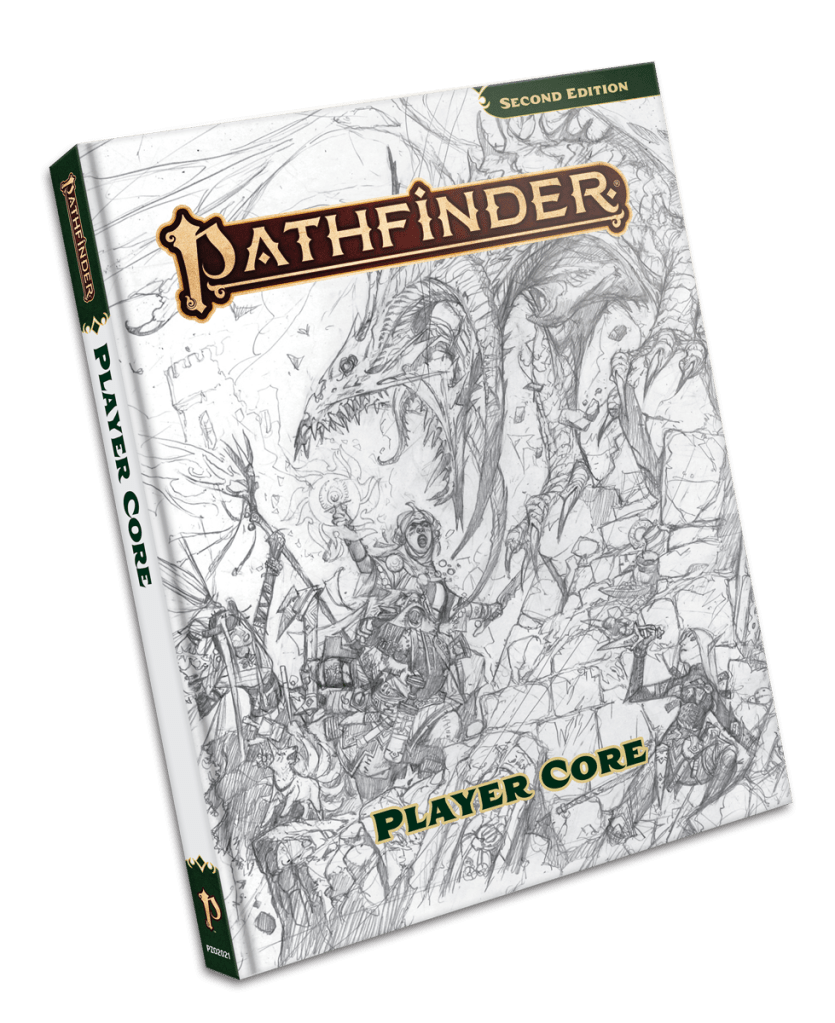
This is either my first or second most played game of all time (in tight competition with D&D 5e) and was the second long term game I played. It should be unsurprising to learn that I like it. The three action economy resolves a lot of fiddliness I felt in D&D. In a game where character creation is intended to be a major part, the feat approach is fantastic for really drilling down to make very interesting characters mechanically. At the same time, the math is very tight, and they have balanced the character options such that, as long as you haven’t tried to dump your key ability score, your character will be viable whether you do a deep dive and make a highly complex character or go straight down a tree and pick the feats you think are cool.
Likely just as important as the mechanics is the ecosystem that Paizo and their community have cultivated. All the rules are free and searchable through the Archives of Nethys. The character builder, Pathbuilder, is almost completely free, and the full app can be accessed with a single one time payment of like five bucks. In a world of subscription services, that is insane, especially when compared to the money pit that is D&D Beyond (I shudder to think of how much money I dumped in that hole).
The piece of resistance (I assume that the translation for “Pièce de résistance”?) is the Foundry integration and premium adventure path modules. Foundry VTT is a one-time-payment VTT that can be used for a ton of games, but it excels with pf2e. The module for the system itself is free, and again, comes with all the rules and compendiums for all character options, items, monsters… everything! Foundry automates a significant amount of the fiddly bits of Pathfinder as well, remembering status conditions, and applying flanking, handling range increments… I would not want to run Pathfinder without it.
And on top of all of that, Paizo sells premium adventure path foundry modules that do 99% of the adventure prep for you, including setting up the maps with walls and tokens, populating creatures with great art, and even adding music and sound effects. It changed my prep time from hours a week finding maps and creatures to an hour or two of reading every few weeks. Very good for a busy GM who wants to play a crunchy game.
Overall, I recommend Pathfinder for anyone looking for tactical heroic fantasy with one big caveat: It is a lot to get started. And to be honest I don’t think I could have done it without a very knowledgeable player at the table. Only get into Pathfinder if you expect to be playing for a while.1
Wanderhome – Jay Dragon
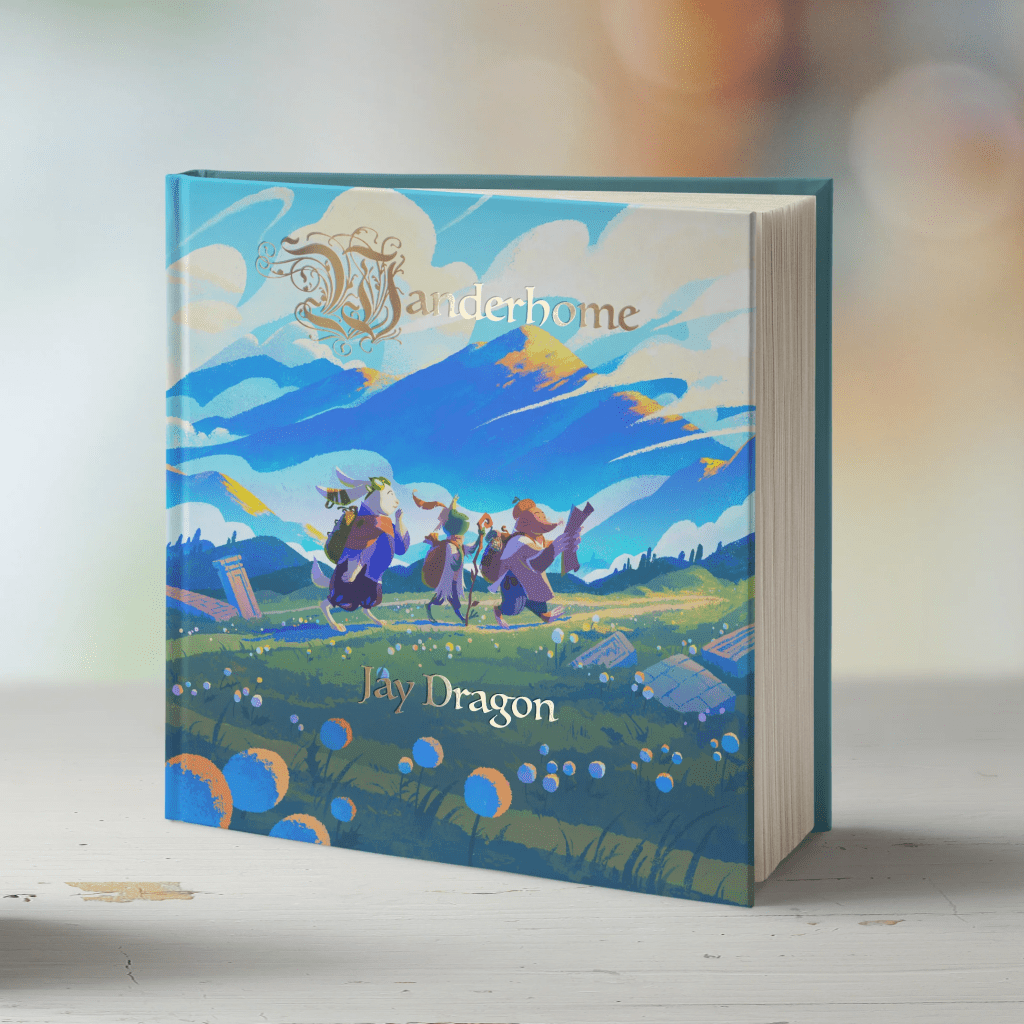
This game is ASMR for your heart. I don’t know how else to say it. My elevator pitch for the game is playing travelling anthropomorphic animals in a recently post-war world trying to find home. It is like playing the epilogue of a Redwall novel. But those descriptions, and maybe any description, is hollow in comparison to what I felt playing Wanderhome. It’s magic.
Wanderhome is an uptight mailman feeling his heart expand as he watches a reckless child explore a stony coast. Wanderhome is sharing the weight of a 5th generation lighthouse keeper’s responsibility to stay when all they want to do is leave. Wanderhome is a breath of community in its purest form.
Of course I recommend Wanderhome.2 Find the right people you can trust to take it seriously and this game will give you rest.
Outgunned – Riccardo Sirignano & Simone Formicola
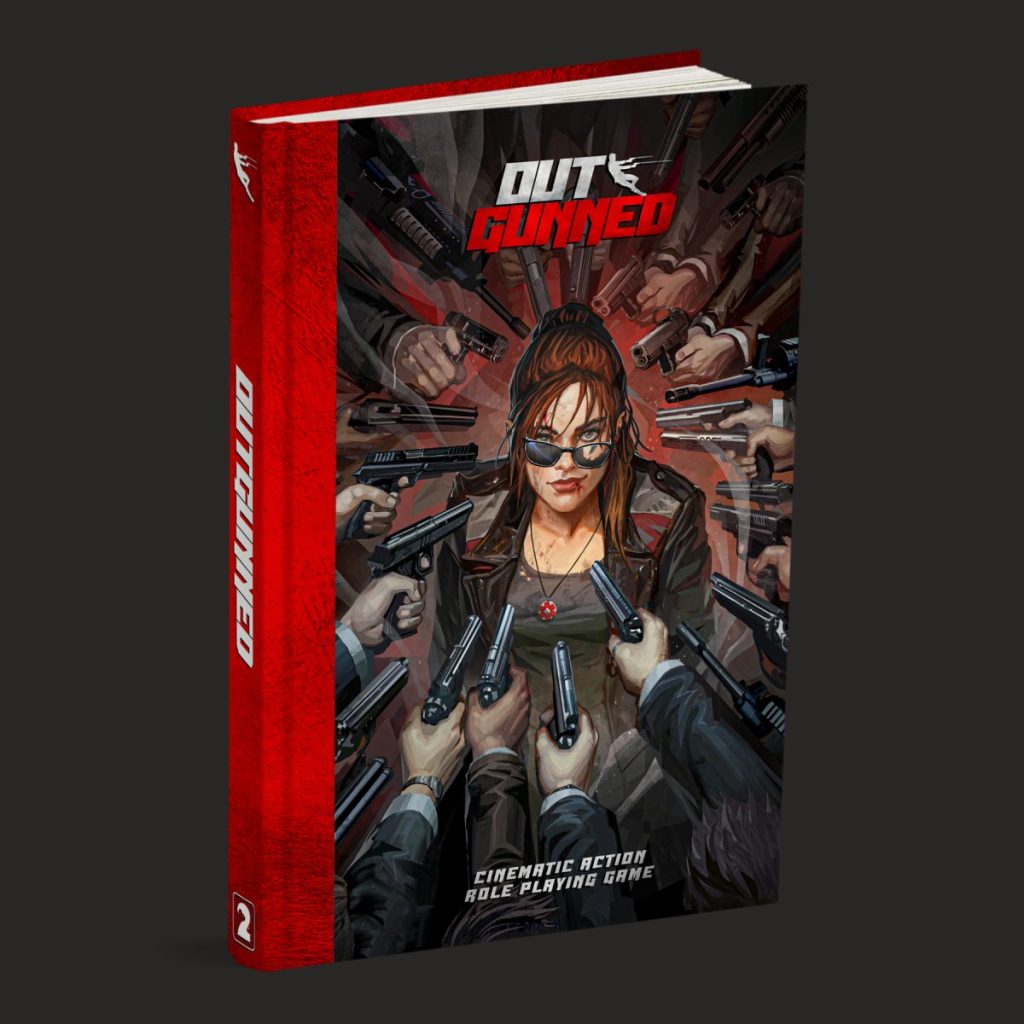
I came to this game just after the Never Stop Blowing Up season of Dimension 20 had aired and I was expecting, hoping for a very similar experience. I really wanted to like this one.
My biggest issue comes in the resolution mechanic. You roll a dice pool and try to match die faces, more matches, bigger success. Cool idea, pretty mid execution. Almost every roll has at least one chance to reroll, and often more than one, which means what should be a snappy system that propels the action forward gets bogged down by decision making.
The combat was very clunky too. It felt strange to go into an almost D&D style initiative when the system would benefit from a free-form player driven style like PbtA. I still think it could be fun now that I have a better handle on how to run more rules-lite games and I suspect it would work better in person where you are actually rolling dice Yahtzee style, but honestly, I would just play Never Stop Blowing up over this. I do not recommend.
Orbital Blues – Sam Sleney & Zachary Cox
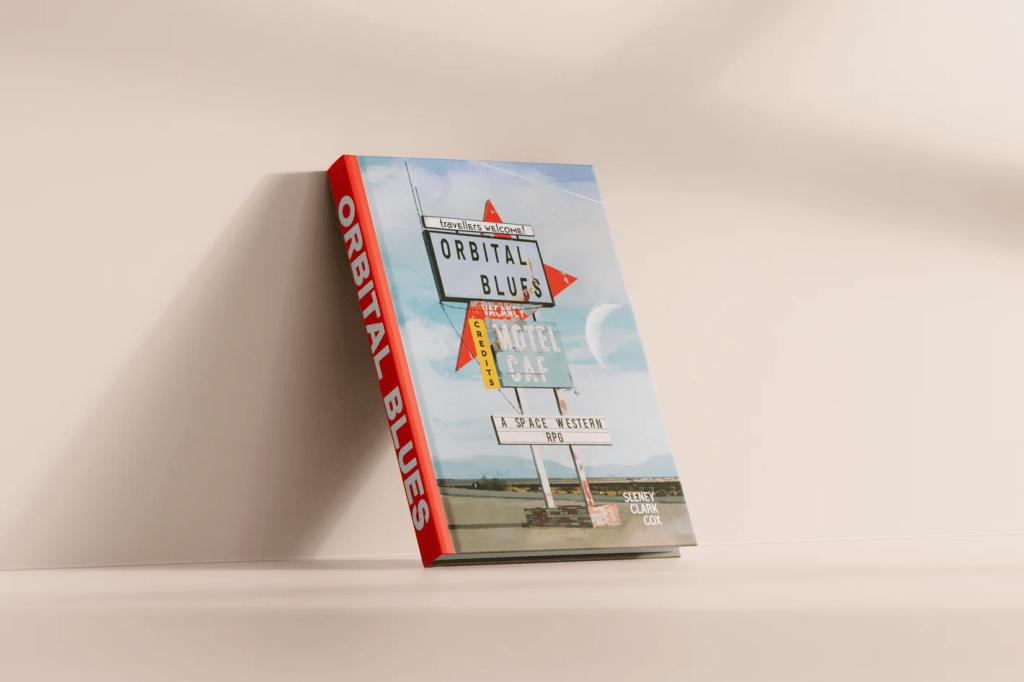
It’s about cowboys bein’ sad in outer space, of course it is going to be a yes from me. The mechanics are relatively simple, you have three stats and you roll 2d6 to try and beat a target of 8. Always 8. The GM has tools to make things easier in other ways, but you always need to beat an 8. I like that!
More importantly, being sad is how you level up. Seriously. Each character will have their own unique ways to be sad that will trigger XP, as well as a legendary “swan song” where you can make sure go out in a blaze of glory. The game is incentivizing what it wants you to be doing. I am sure some of you grindy rpg nerds are thinking, “Well can’t I just break the game by being sad all the time?” YES IDIOT THAT’S THE GAME!
Genuinely this was a mental breakthrough for me where I realized that a really clever designer can make you feel like you are pulling on over on the system while just doing exactly what the game was intended to do. But even more than that, this mechanical reward for feeling sad really led me to really feel something. I remember one scene in particular where my chest got tight, my face burned, and a tear rolled down my cheek. It was bleed but it was good bleed.
It is such a clever, easy to run system and I hunger for more. This one is an easy recommend.3 Oh, and did you see the aesthetic? Marriage of space and ’60’s diners? Firefly and No Country for Old Men? Yes please.
Fabula Ultima – Emanuele Galletto
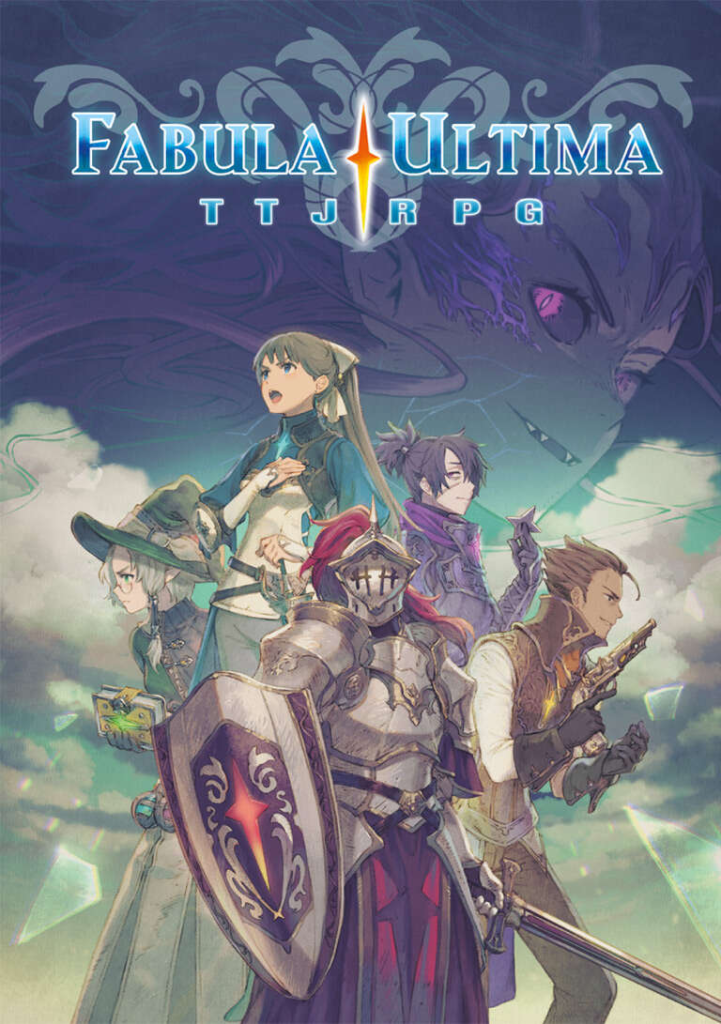
Fabula Ultima and Scum and Villainy4 were the first games I bought after D&D and Pathfinder. They are represent some metaphorical shedding of my RPG blinders. Belief that good games could exist in a single book, and that a system doing something specific was better than a system pretending it could do it all.
It is was kind of a perfect entrance for me into the broader RPG world? The very crunchy character building felt familiar, gave me something to latch on to. The four skill system tickled my brain as a really clever resolution system. The narrative points blew my mind, and had me daydreaming about sharing the authorial load with the whole table. It was a revelation! Each new page contained some surprise, and the GMing advice does more in a few pages to actually teach me how to run games than the whole of the 5e Dungeon Master’s Guide. And the art! It is mesmerizing and JRPG vibes.
I ran FabU twice, and I learned something very important: Not every game is for every table. The first time the game SANG. We played the Press Start adventure which is a really cool quickstart that walks new players and GMs through the module, unlocking in game mechanics as you go just like a video game tutorial.5 My players all earnestly engaged with the mechanics, and lit up the metaphoric night with these shining small roleplaying moments. We all hit the end of the session wanting more.
A week later, I ran it for another group, under admittedly less than perfect conditions, but it was the same game, the same module, and I am the same GM. If anything I was more prepared, but everything fell flat. I felt like I was constantly on my toes trying to force fun into the game, and was always on the back foot trying to explain why “these mechanics are so sick actually, you just have to give them a chance!” I am not sure anyone had much fun that night. It is still a bit embarrassing to think about.
I have played with that second group since and we still have a lot of fun, but we just stick to the games we all like, and I run other games for other people. At the time I had really internalized that if someone didn’t like the game I was presenting then somehow that meant they didn’t like me. Obviously that isn’t true, but for anyone who might feel the same way: It is okay. Differences in taste are just opportunities to make new friends.
I unequivocally recommend Fabula Ultima, no caveats.
Slugblaster – Mikey Hamm
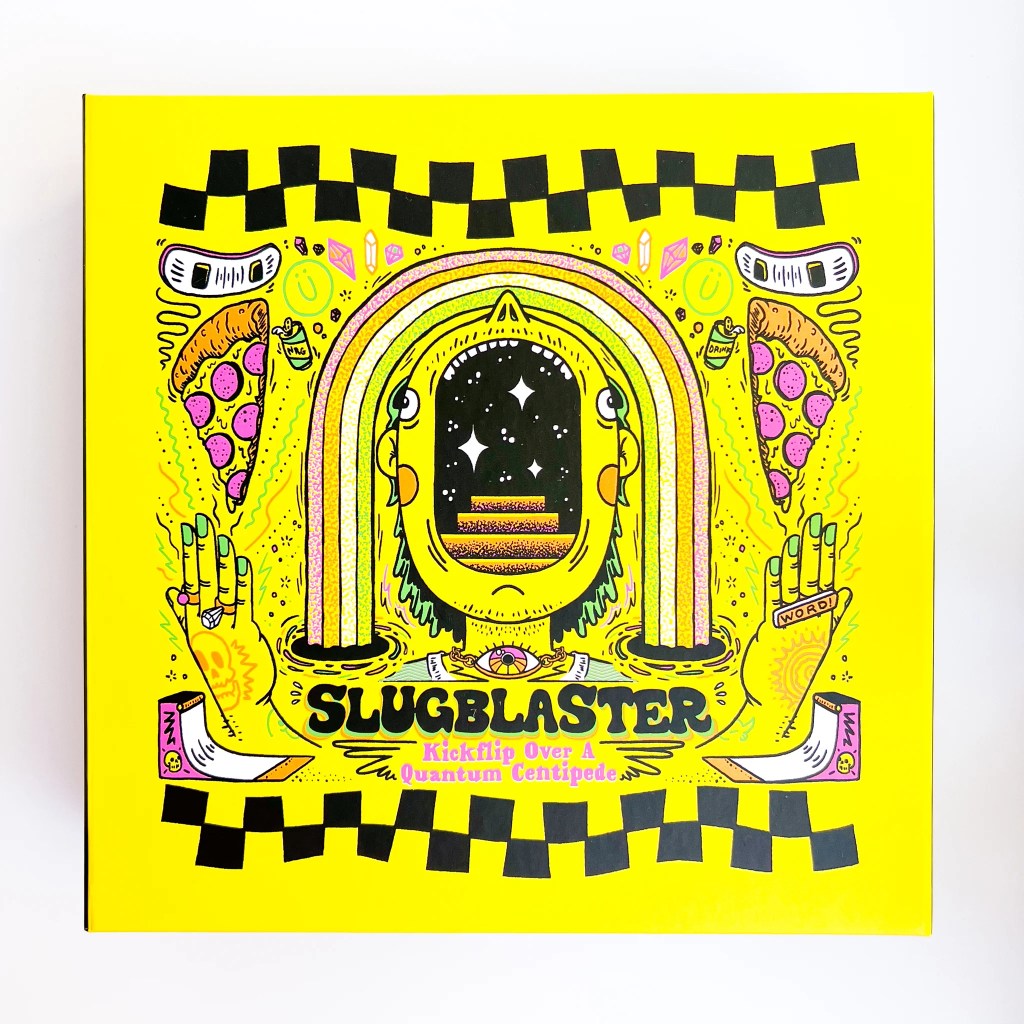
Not every game has to be about fighting orcs and being a elf. This game is about being a teenager and capturing the raw emotions that come along with that, all wrapped in the sheen of doing kick-ass stunts on your hover board across different dimensions.
I love the vibe of this game, so much so that I busted out my old tech decks, watched the Tony Hawk documentary Until the Wheels Fall Off, and even bought a skate board!6 I wanted the punk skater aesthetic in my life. And this game delivered! The first half of our session we described our teens’ home lives and the adolescent joy of sneaking out of the house to go on an adventure! This game hits the “teen” aspect perfectly.
And then we went into space and the wheels fell off for me. It was fun, for sure, but the magic spark was gone. I no longer had a good anchor to relate to what was going on, and honestly even without the sci-fi elements, I still might have not had something to hang my hat on. I really am not that familiar with skating and the rules don’t really do anything to help you out there. You need to fill out a clock with your cool skate moves, but I don’t really know that many cool skate moves and the type of trick doesn’t really impact the resolution of the roll. I was just never quite sure what was going on an could feel my reliance on die rolls increasing, a hard juxtaposition to the teen scenes which I could have done for hours without ever picking up my dice. This was a very similar to my experience playing Sleepaway where I think I just want a teen slice of life game.
I also just don’t think I played long enough to see the best parts of Slugblaster. It has this amazing beats system that mechanically lets you create a narrative arc for your character, no praying for the cold-hearted randomization of dice to do it for you, but that just isn’t going to happen in a one-shot.
I think this game is worth owning no matter what, but I think it may be one of the hardest to pitch to traditional groups, so take my advice from the FabU section and find the people who get it and play it with them.
Two false starts
There are two games that I started this year and just didn’t give them the attention they deserve. Here are some fragmented thoughts:
Koriko: A magical year by Jack Harrison I got the box set and it is premium. Beautiful art, beautiful dice, beautiful theme. But having to write down my travels killed my motivation. I kept meaning to pull it back out, but I only managed a single session. I want to try solo gaming again though, and think I am going to do it with Two-Hand Path by Mikey Hamm (of Slugblaster fame).
Cataphracts7 by Sam Sorensen It’s a large scale war game with commands adjudicated by referees. Plenty of secret letters and spreadsheets, very much my jam. But the game I was graciously invited to already had hundreds of people playing, and when I got a character sheet I was a subordinate commander to someone I had never talked to, treading water in the lore of a world that I didn’t help create, and my main in-game lifeline was a referee that was clearly already very busy and I felt bad bothering. None of this was the refs’ fault, I think what they are pulling off is miraculous. It was just very clearly not the right game for me. If I am going to play this game in earnest, I want to have a group of 30-40 people who are all in on it from the get-go.
Acknowledgements
Thank you to all the people who photographed or rendered these book images that I used in this post. I spent some time trying to parse out who is doing the staging for the books and I couldn’t figure out, but clearly that is a type of labor and I have grown in my appreciation for people who know how to light and photograph these beautiful books. It makes a big difference! I assume it is someone working at the book distributors, so Paizo, Tabletop Bookshelf, Possum Creek, Free League, Mythworks, and others.
P.S. I think this is my longest blog post. The post script bit doesn’t need to be long.
P.P.S. Okay one post script bit. I have some nebulous thoughts about how OSR is like Duke Ellington and PbtA is like Count Basie and that on the outside looking in they kinda sound the same, but actually participating in them requires two very different masteries….. But I think metaphors are bad if you relate the original concept to a concept that is even less likely to be understood by the target audience, so I will shelve this one for now.
- Okay, one other, more minor caveat. With a game this thicc you are going to be tempted to think that the rule system can do it all, and handle everything, and maybe it would be easier to just hack something into Pathfinder than to learn a new system. The game is good, well thought through, and has a lot of great optional rules, but don’t try and force a square peg into a black hole! Use the game for what it is intended, and don’t be afraid of other games. ↩︎
- The book is absolutely stunning too. I have talked before about my love for spacious layout, and this book is luxurious and laced with beautiful art. I am delighted to own a signed hard cover (thanks again Liz!) ↩︎
- Small caveat for this one too. With only 3 ability scores, Savvy seems to be consistently too good. I have seen plenty of people online discussing this and I felt the same way when I played it. Good chance I will hack in a fourth stat next time I run it. ↩︎
- I still haven’t played S&V…. One day ↩︎
- The Press Start has one of the best Foundry modules I have seen, including Pathfinder’s premium modules, and it is free. Everything you need loaded in automatically, including bangers of 8-bit backing tracks for each major scene. ↩︎
- I had a bad slam about 6 months after I bought the board and ended up selling it. I am too risk averse to be punk sadly. ↩︎
- I can’t actually find publicly available rules for this one, so just linking Sam’s blog. ↩︎
 Birdmilk's RPG Cafe
Leave a comment